
Young people leaving care in our region now have a safer path to independence, with Mallee Accommodation and Support Program (MASP) delivering three new homes and providing the extra support needed to help avoid homelessness.
The organisation has recently completed three new units in Mildura targeted at young people leaving care environments such as foster care. This project was funded through the Victorian Government’s $38 million Rapid Housing Grant Program, part of the Regional Housing Fund, and aligns with MASP’s advocacy priority of guaranteed housing pathways for young people entering or leaving care.
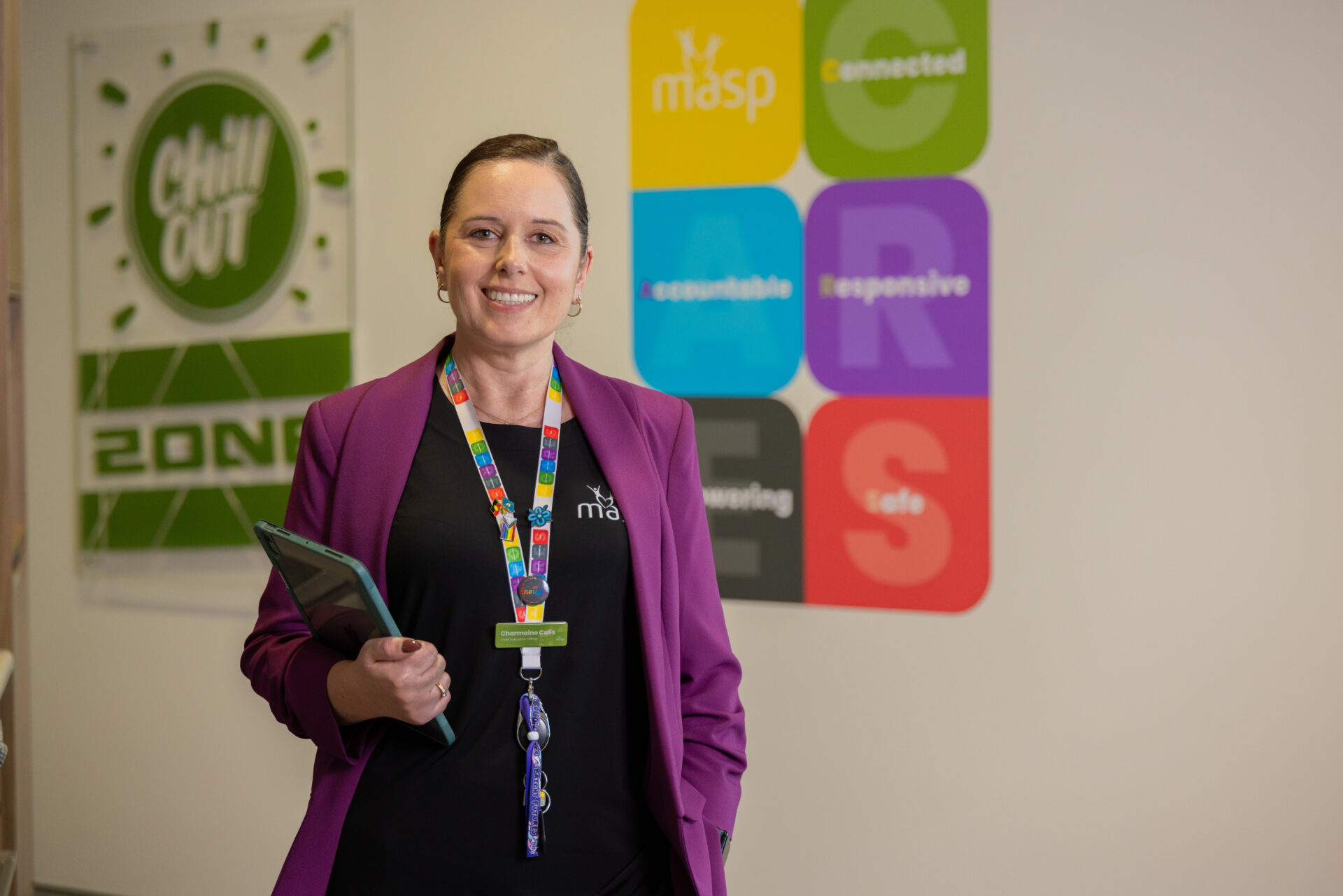
“A roof over their head is the first step for a young person to be able to move on with their lives once they leave care,” MASP CEO Charmaine Calis said.
“These units provide that stable platform, while our staff continue to work with the tenants to help them become more independent.”
Mrs Calis has called on Governments at all levels to continue to support the work of MASP and other service organisations make a real difference for young people, particularly in regional areas already facing significant housing shortages and other challenges.
“We are asking governments and service systems to plan earlier, work together and invest in safe, youth-specific housing. Consistent support is key to keeping young people connected to education, employment, family, culture and community,” she said.
“This can be achieved by earlier transition planning, more age-appropriate emergency and transitional housing, and sustained relational, therapeutic, education and employment support that continues beyond rigid age-based cut-offs. No young person should be expected to navigate fragmented systems alone, or face homelessness because planning and investment came too late.”
Mrs Calis said the long-term aim of MASP’s advocacy was clear: to give every young person a fair opportunity to build a safe, secure and independent life – no matter where they live. “Regional young people deserve solutions designed around their lives and communities, not systems built on metropolitan assumptions,” she said.
“MASP will continue to bring their voices and experiences to the table and advocate for practical reforms that prevent crisis and create lasting change.”